California reverse mortgage requirements Who qualifies for a reverse mortgage?
The requirements on one page: age, the home, equity, property type, the budget review and counseling, plus the route for homeowners aged 55 to 61. If you meet the six points below, the next step is an estimate on your own home.
The short answer: you likely qualify for an FHA-insured HECM if the youngest borrower is 62 or older, the home is your primary residence, the loan can pay off any existing mortgage, the property is an eligible type, and you can keep paying property taxes, insurance and upkeep. Homeowners aged 55 to 61, or with homes worth well above the 2026 FHA limit of $1,249,125, may qualify for a proprietary jumbo instead.
HECM rules: 24 CFR Part 206 and HUD Handbook 4000.1. Counseling and California’s seven-day period: Cal. Civ. Code §1923.2.
The six requirements
If you’re 55 to 61, or your home is worth more than the FHA limit
The HECM is only for borrowers 62 and older, and it counts home value only up to $1,249,125 in 2026. Proprietary jumbo reverse mortgages are private programs that can start at 55 and count values up to $4 million. They are not FHA-insured, each lender sets its own property and credit standards, and California’s counseling and seven-day rules still apply. See jumbo reverse mortgages in California.
Questions about qualifying
Is there a minimum credit score?
Not for a HECM. The lender’s financial assessment looks at how you have handled property taxes, insurance and other bills, and whether your income covers ongoing costs. Late payments with a good explanation, or a past bankruptcy that has been resolved, do not automatically disqualify you. Where the picture is tight, the answer is often a set-aside that pays taxes and insurance from the loan.
Do I need a certain amount of income?
No fixed amount. The review asks whether what comes in each month covers what must go out, including taxes, insurance and upkeep, with a cushion that depends on household size and region. Social Security, pensions and retirement withdrawals all count.
My home is in a living trust. Does that disqualify me?
No. A home held in a revocable living trust usually qualifies once the lender reviews the trust. The trust is not rewritten; the lender confirms it meets HUD’s requirements.
I still have a mortgage. Can I qualify?
Yes, if the reverse mortgage is large enough to pay it off at closing, with or without some cash from you. Retiring an existing mortgage payment is one of the most common reasons people call.
What about manufactured homes and condos?
A manufactured home qualifies if it was built after June 15, 1976, sits on a permanent foundation, is titled as real property and you own the land. A condominium needs FHA approval of the project, or a single-unit approval in some cases. A proprietary jumbo can be more flexible on condos.
I owe federal taxes. Is that a problem?
A delinquent federal debt, such as back federal taxes, has to be resolved, but it can often be paid off from the loan at closing. Tell me about it on the first call so the numbers are built around it.
Can I rent out part of my home?
Yes, if it is a 2–4 unit property and you live in one of the units, or you rent a room in your home. The home must remain your primary residence.
Next: see what your home could support with the reverse mortgage calculator, read what it costs, see how reverse mortgage rates work, or, if you’re helping a parent, start with the guide for adult children.
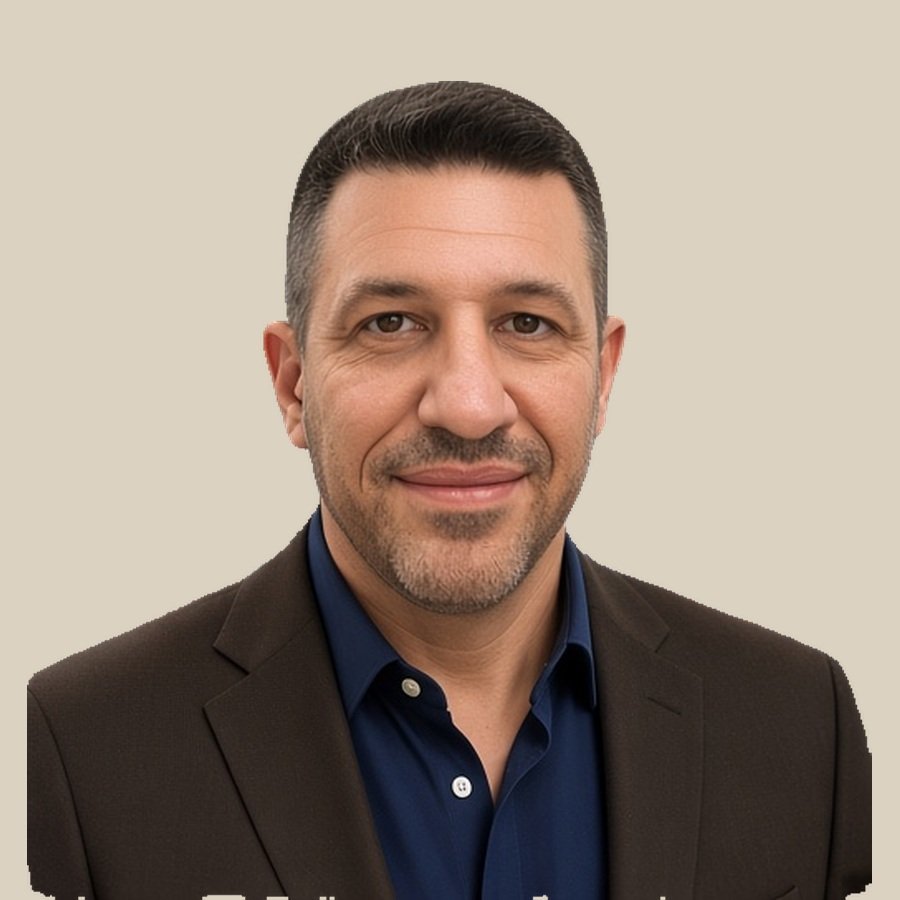
Written by Kenneth M. Adler
Every page on this site is written and maintained by me: the same person who answers the phone, runs your numbers, and handles your file start to finish. No call center, no hand-offs, no lead-selling. More about how I work →
Want me to check whether you qualify?
Leave your number and I’ll go through the six requirements with you on one call, including the jumbo route if you’re 55 to 61.
- A call back within minutes during California business hours
- A straight answer on where you stand
- No obligation
Not sure you qualify? Ask before you assume.
Most of the questions above take one phone call to settle, and the answer is often yes with a condition, such as a set-aside or a payoff at closing.
(818) 674-7284Prefer email?
A couple of sentences about your home and your goal is enough. I reply personally, usually the same business day.
Contact Ken