Reverse mortgage costs in California What a reverse mortgage actually costs.
Reverse mortgages have a reputation for being expensive. Some of that reputation is earned and some of it is thirty years out of date. What follows is the full list of cost categories, who sets each one, which are financed rather than paid out of pocket, and the one cost that most websites quietly leave out. No dollar figures here, because those belong to your file. For a rough number, the calculator shows every cost line.
The short answer: a reverse mortgage has six cost categories: the origination fee (capped by HUD on a HECM), FHA mortgage insurance (HECM only), third-party closing costs, the counseling fee, any servicing fee, and interest. Most closing costs can be paid from the loan proceeds rather than out of pocket. Interest is the largest cost over time, because it is added to the balance instead of being paid monthly. You still pay property taxes, insurance and upkeep.
Origination fee cap and FHA mortgage insurance premiums: 24 CFR Part 206.
Six categories, and who sets each one
There is no seventh. If something appears on a quote that does not belong to one of these, ask what it is.
1. Origination fee
What the lender charges to originate the loan. On a HECM, HUD sets a maximum this may not exceed, which is a genuine consumer protection. Within that ceiling it varies between wholesale lenders, which is where comparing several actually earns its keep.
2. FHA mortgage insurance
HECM only. An upfront premium at closing and an annual premium accruing on the balance. HUD sets both; no lender discounts them. This is what pays for the federal non-recourse guarantee. Proprietary jumbo programs carry no FHA insurance at all.
3. Third-party closing costs
Appraisal, title insurance, escrow, recording, credit report, flood certification. Set by the vendors and by your county, not by the lender or by me. These are the same categories you would see on any California mortgage.
4. Counseling fee
Charged by the independent HUD-approved counseling agency you choose. Not paid to the lender and not paid to me. Some agencies reduce or waive it depending on the household’s circumstances.
5. Servicing fee
Some loans carry an ongoing servicing charge and some do not. It is disclosed up front when it applies, and it is one of the line items worth asking about specifically when comparing two quotes.
6. Interest
The one that dwarfs the others over time. See below, because it deserves more than a card.
Interest is the largest cost, and it is the one that gets soft-pedalled
A reverse mortgage requires no monthly principal and interest payment. That is the headline, and it is true. What follows from it is less often said plainly: the interest does not stop existing, it accrues and is added to the loan balance.
So the balance grows over time rather than shrinking. On a loan held for many years, accrued interest will be a larger number than every closing cost on this page combined. That is not a scandal and it is not hidden — it appears on every disclosure you will receive — but a page about costs that omits it is not really a page about costs.
Two things keep it in proportion. The loan is non-recourse, so however the balance grows, neither you nor your heirs can owe more than the home is worth at repayment. And interest accrues only on money actually drawn: an untouched line of credit accrues nothing.
What you should ask any originator, including me, is to show you the projected balance at several points in the future alongside a projection of what would be left for your estate. I do that before anyone signs, because a household that understands the trajectory makes a better decision than one that has only been told about the absence of a payment.
Be careful with “no cost”
You will come across reverse mortgage marketing that describes a loan as having no closing costs, or virtually none. Read that carefully before you rely on it.
Costs on a reverse mortgage are ordinarily financed into the loan rather than paid in cash at the closing table. So it is quite possible to write “you pay nothing out of pocket” and have it be literally accurate. But financed costs are still costs: they join the balance, and they accrue interest for as long as the loan is outstanding. Nothing has been waived; the payment has been deferred and priced.
There are also arrangements where a lender credit offsets some costs in exchange for different pricing elsewhere. That can be a perfectly sensible trade for the right borrower. It is not the same thing as free, and the only way to evaluate it is to see both versions side by side in writing.
My position is straightforward: ask for a line-item breakdown, on your own scenario, in writing, before you commit to anything. Ask me for it, and ask whoever else you are speaking with for it too. An originator who will not put the numbers on paper is telling you something.
What actually moves the number
Things you cannot change
- Your age, and the age of the youngest borrower
- The appraised value of the home
- County recording and transfer charges
- HUD-set premiums on a HECM
Things that are genuinely in play
- Which program you use: HECM or proprietary jumbo, priced very differently
- Which wholesale lender the file goes to, within HUD’s ceiling
- How you take the money, and therefore what accrues interest and when
- Whether a set-aside for taxes and insurance is required on your file
In every case the borrower remains responsible for property taxes, homeowner’s insurance, and home maintenance. Failing those obligations can make the loan due and payable.
Cost questions people actually ask
Is a reverse mortgage expensive?
Do I pay these costs out of pocket?
Is the origination fee negotiable?
What is the cost most websites leave out?
What does HUD-approved counseling cost?
Are there ongoing costs after closing?
How do I compare two reverse mortgage quotes?
Dave Ramsey says reverse mortgage fees run “close to $10,000.” Here is how his cost claims hold up, and how they compare with his alternative of selling the house: the Dave Ramsey fact check.
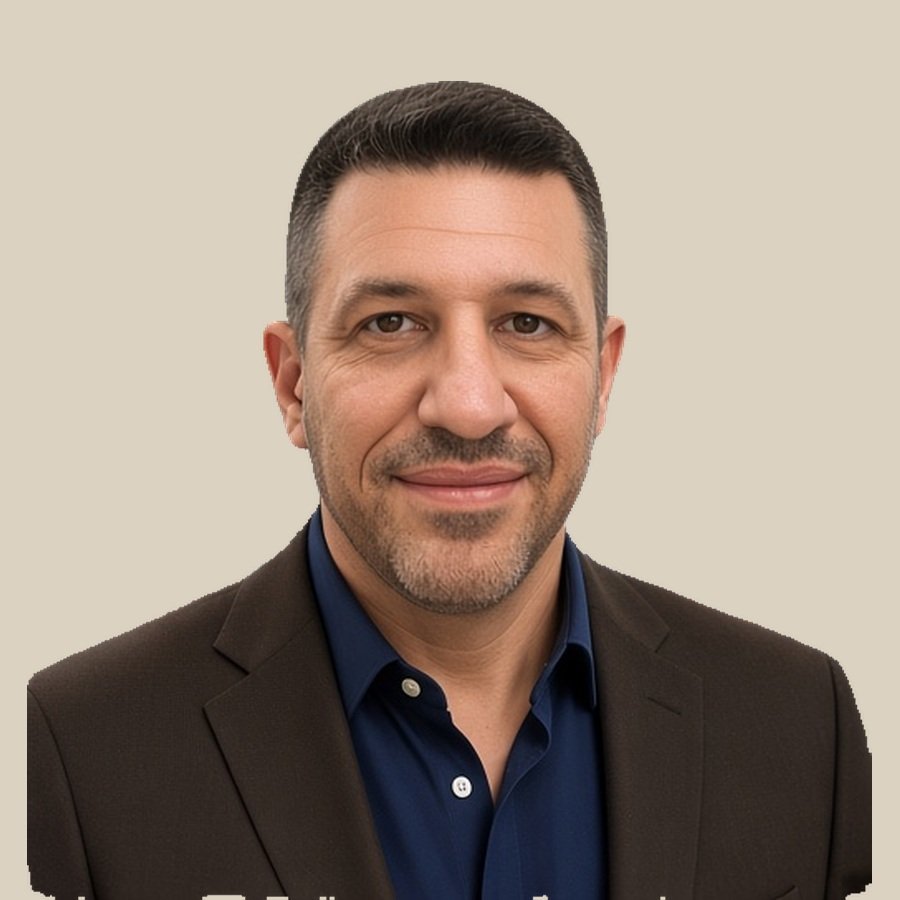
Written by Kenneth M. Adler
Broker & Owner, Ideal Financial, Inc. · 30 years in California lending · NMLS #240317 · CA DRE #01216608
Published September 7, 2026 · Last reviewed October 6, 2026
Every page on this site is written and maintained by me: the same person who answers the phone, runs your numbers, and handles your file start to finish. No call center, no hand-offs, no lead-selling. More about how I work →
The rest of the reverse mortgage library
Each page below covers one decision in full, rather than a paragraph of it. Start wherever your question is.
Get the line-item breakdown for your own file.
Every figure on this page is a category. The numbers only mean something once they are attached to your age, your home, and your program.
- A complete written breakdown, before you commit to anything
- HECM and jumbo priced side by side
- No obligation
Fifteen minutes. Real numbers. Then you decide.
Tell me the scenario and I’ll tell you honestly whether this is the right tool. If it isn’t, you’ll leave the call knowing why, and I’ll point you at whatever is.
(818) 674-7284Prefer email?
Send a couple of sentences about your situation and I’ll reply personally, usually the same business day.
Contact Ken Book a call