Home Equity Solutions for the Elder Law Practice
Long-term care has to be paid for out of something, and for most California clients over seventy-five the something is the house. This is the reference for getting at it without breaking the benefits architecture: what Medi-Cal counts and when, what a conservator may borrow and under whose authority, and what the 2026 asset limit did to spend-down planning you had written off three years ago.
Thirty-two pages, opening with the eight files closest to an elder law practice rather than making you hunt for them. Statute and regulation cites inline (ACWDL 08-17, Prob. Code §§2580–2586, 22 CCR §50507, W&I Code §14009.5), cite-checked at publication.
Your clients are spending down. The house is sitting there.
An elder law practice runs on a hard arithmetic: care costs what it costs, the countable assets run out, and the one asset the client will not part with is the residence. Three things moved in the client’s favor while most of the bar was not looking. One of them moved back.
The asset limit came back on January 1
Reinstated at $130,000 for an individual and $195,000 for a couple, with a further reduction scheduled for mid-2027. Spend-down planning is back on your desk after three years of not needing it, and so is the question of where the money comes from while the client waits out a look-back.
Loan proceeds are property, not income
Under ACWDL 08-17 a reverse mortgage draw is property in the month received, not income, and it only becomes countable if it is still sitting there at month’s end. That single distinction is what makes a line of credit usable for in-home care, and it is the one most often gotten wrong. The annuity-funded RAM is the exception, and File 7 says why.
No compensation, ever. Federal law
RESPA §8 prohibits referral fees on these loans in either direction. You will never be offered a dollar by me, which is precisely what keeps your independence and your bar card outside the transaction, a point that matters more in a practice where capacity and undue influence are already live issues on half your files. Education like this book is expressly permitted; payments are not.
Seventeen situations, in elder law order
Each file: the client, the structure, the statute or regulation that governs it, the traps, and an illustrative fact pattern. The book’s contents page opens with the eight files closest to an elder law practice so you are not starting at File 1 and hunting; the files themselves stay numbered 1–17. The table below follows that same reading order.
Page 30 is the elder law chapter proper. It answers the five questions the case files don’t reach: whether a power of attorney actually authorizes this loan, how capacity is assessed at closing and by whom, what Medi-Cal estate recovery can and cannot touch after SB 833, how undue influence is screened under Welf. & Inst. Code §15610.70, and where VA Aid and Attendance interacts with the proceeds.
| File | The situation | Where it shows up in an elder law practice |
|---|---|---|
| 7 | Medi-Cal, 2026 edition: the asset limit is back | Draw discipline month by month under ACWDL 08-17, the look-back, the annuity-funded RAM exception at 22 CCR §50507, and why recovery after SB 833 reaches only the probate estate |
| 6 | Conservatorships: borrowing with the court’s blessing | Substituted judgment under Prob. Code §§2580–2586: the petition that funds in-home care for a conservatee without a sale |
| 12 | Aging in place: funding care without selling | The standby line of credit that turns “she is staying home” into a funded plan with a number attached, instead of a promise the family cannot keep |
| 15 | The special-needs household: proceed with care | Housing a disabled adult child without disturbing SSI or the benefits architecture; where the first-party trust helps and where it does not |
| 13 | Grandparents raising grandchildren | Kinship households on a fixed retirement income that has to stretch over a second childhood it was never sized for |
| 10 | The younger spouse: non-borrowing spouse rules | The deferral checklist, the 90-day title window, and the proprietary-program asterisk: the file where getting the order of operations wrong costs the survivor the house |
| 1 | Funding the fee: the client who can’t afford to hire you | Conservatorship petitions, elder financial abuse matters and benefits planning funded from the client’s own equity, with the ethics analysis |
| 8 | Property-tax rescue, and the PTP fork in the road | Delinquencies on a fixed income; choosing between the Property Tax Postponement program and a reverse, which are mutually exclusive, priced in writing before either is filed |
| 9 | Trusts: what vests, what qualifies, what doesn’t | Revocable, irrevocable, life estates, testamentary: the title questions the lender’s trust review will raise on a client whose planning is already done |
| 2 | Probate & administration liquidity | House-rich estates that cannot write checks for care arrears, debts and upkeep, and the one hard boundary on who is permitted to borrow |
| 3 | The heir who wants to keep the house | Sibling buyouts funded by the home itself; the proceeds math, and partition leverage when the family will not agree |
| 4 | Proposition 19 and the low tax base | Keeping the assessment the parents spent forty years earning; the one-year occupancy clock and the cap math |
| 5 | Gray divorce: the buyout and the rehousing | Equalization payments and HECM for Purchase: one house, two futures, no payment either side has the income to carry |
| 11 | When the borrower dies: the heirs’ playbook | Four options, one deadline structure, zero inherited debt: the call you take from the family the week after the funeral |
| 14 | Lifetime gifts and inheritance equalization | Giving while alive and squaring the ledger when one child gets the house, with the 2026 look-back caution front and center |
| 16 | Hold until death: the stepped-up-basis play | When selling the residence is the most expensive available way to raise money for care |
| 17 | The second-lien reverse: keeping the first mortgage | The client with a low fixed rate who cannot afford to refinance out of it; a HomeSafe Second behind the existing loan, 55+, no life-expectancy set-aside |
Part I covers the tool as it exists in 2026: what changed since you last looked, the mechanics a lawyer actually needs, and a one-page reference of the 2026 numbers, with the reinstated Medi-Cal asset limit set alongside the HECM figures. Part III covers the myths against the record, the compliance firewall (RESPA, Bradshaw, and Civ. Code §1923), the referral protocol, the issue-spotting checklist, and the elder law chapter at page 30.
Twelve sentences from an elder law intake
Said by a client, or more often by the adult child sitting next to them, where there is home equity and someone is 55 or older. Any one of them is a reason to run the numbers before the family commits to a placement or a sale. The next step costs nothing: a written scenario analysis within five business days, routed to you or through you. Your call.
| What the client says | Turn to |
|---|---|
| “Will they take the house if he goes on Medi-Cal?” | File 7 |
| “We are $40,000 over the asset limit and the application is due.” | File 7 |
| “Mom needs round-the-clock care and refuses to leave the house.” | Files 6, 12 |
| “The facility is $11,000 a month and her income is $3,200.” | Files 12, 16 |
| “I am her conservator — can I even borrow against her home?” | File 6 |
| “My husband is 58. What happens to him if I go first?” | File 10 |
| “Our son is disabled and lives with us. We cannot risk his benefits.” | File 15 |
| “She is three years behind on the property taxes.” | File 8 |
| “We are raising our grandchildren on a retirement budget.” | File 13 |
| “I cannot afford the retainer — everything is in the house.” | File 1 |
| “The house is in our trust. Does that ruin everything?” | File 9 |
| “We have a 3% mortgage. We cannot afford to refinance out of it.” | File 17 |
And four flags that mean call faster: a “helper” doing all the talking for an elder with equity, which is the fact pattern in Welf. & Inst. Code §15610.70 before it is anything else; any pitch pairing home equity with an annuity or investment, illegal in California under Civ. Code §1923.2; a new power of attorney produced by a recent arrival in the client’s life; and a lender rushing anyone past counseling or the seven-day period. Those aren’t referrals; they’re rescues, and I treat them that way.
Four fields, and it’s in your inbox
Firm and role are there for one reason: so the copy you receive can be accompanied by anything relevant to your practice area, nothing more. Your information is never shared, sold, or added to a campaign, and your clients are never marketed to.
Prefer to skip the form? Call (818) 674-7284 or email ken@ideal-financial.net and ask for the practice guide. Same result, same day.
Estate planning, trust or probate rather than elder law? The estate planning edition runs the same seventeen files in file order, with the probate, Prop 19 and basis material forward instead of the benefits material. A financial advisor, CPA, or fiduciary? Start with the eleven-page briefing, Housing Wealth in the Retirement Plan. A homeowner? The plain-English version lives on the reverse mortgage page.
Where should Ken send it?
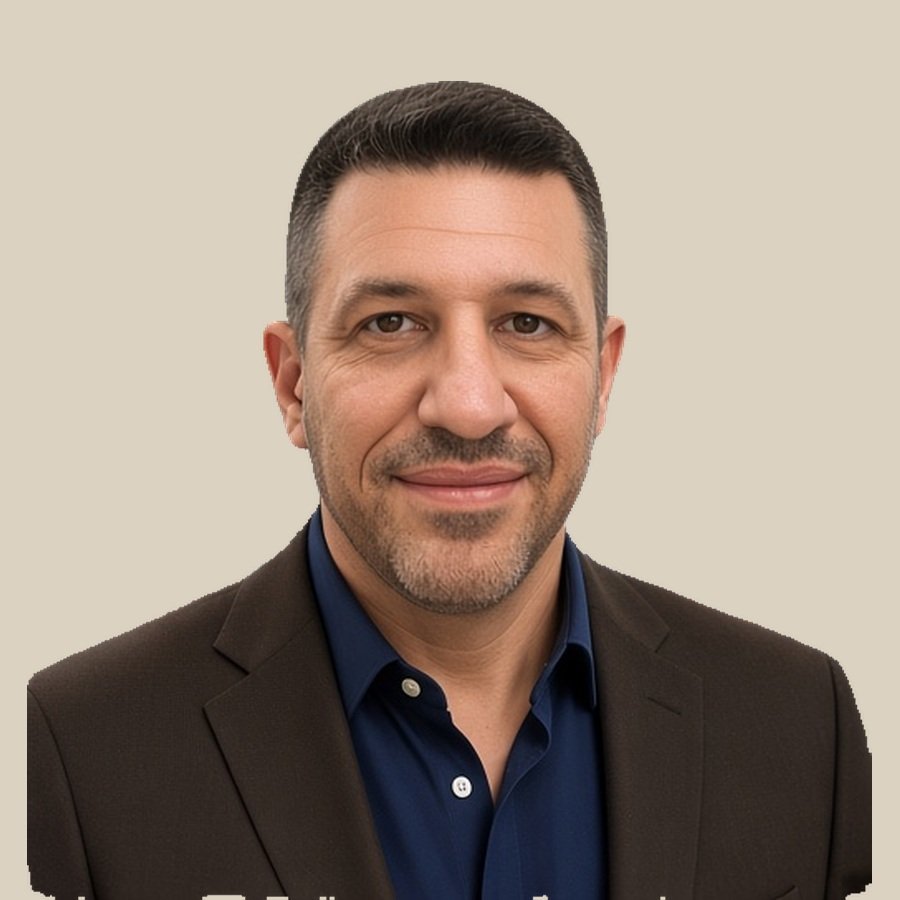
Written by Kenneth M. Adler
Every page on this site is written and maintained by me: the same person who answers the phone, runs your numbers, and handles your file start to finish. No call center, no hand-offs, no lead-selling. More about how I work →
Bring me the fact pattern. Keep the client, the credit, and the relationship.
A 30-minute phone briefing for you or your practice group: the current programs, the 2026 rules, and where this tool does and doesn’t belong in a client analysis. No pitch, no ask, no client names required. Or send a live scenario: written analysis within five business days, to your client with you copied or to you alone to relay, including the honest “no” when that’s the answer.
(818) 674-7284Prefer to put it on the calendar?
Book the 30-minute phone briefing directly: pick a slot, it lands on both calendars, I call you.
Book the briefing