Reverse mortgage and Social SecurityUsing a reverse mortgage to delay Social Security: both sides.
Waiting from 62 to 70 makes a Social Security check about 77% larger, for life. A reverse mortgage can pay the bills while you wait. Retirement researcher Wade Pfau lists this “Social Security delay bridge” among the planning uses of a reverse mortgage; the Consumer Financial Protection Bureau has warned that it often costs more than it gains. Both are describing real households. Here is how to tell which one is yours.
The short answer: a reverse mortgage can cover living costs between 62 and 70 so you can claim a Social Security benefit about 77% larger for life, and for a married couple the larger check becomes the survivor’s benefit. Whether it pays depends on how long the larger check is collected versus what the borrowed money costs. In the scenarios the CFPB examined in 2017, the loan costs generally exceeded the extra benefits. In my experience the strategy is most likely to make sense for married couples in good health who plan to stay in the home and would open a line of credit anyway.
Social Security Administration; CFPB issue brief, August 24, 2017; Pfau, NRMLA presentation slides (2015–2016).
What eight years of waiting buys
| Claim at age | Share of full benefit | Monthly check if the full benefit is $2,500 |
|---|---|---|
| 62 | 70% | $1,750 |
| 67 (full retirement age) | 100% | $2,500 |
| 70 | 124% | $3,100 |
The jump from 62 to 70 is 124 divided by 70: about 77% more per month, before cost-of-living adjustments, which then apply to the larger base for life.
The catch is the checks you skip. In this example, waiting gives up $168,000 of benefits between 62 and 70. The larger check pays $1,350 more a month, which makes that back in a little over ten years, by roughly age 80 or 81, before counting the cost of borrowing to get there.
Illustration with round numbers, ignoring cost-of-living adjustments, taxes and interest. Sources: SSA, benefit reduction for early retirement; SSA, delayed retirement credits.
How the bridge works
Open an adjustable-rate HECM at 62 or later
A line of credit, or monthly term payments for a set number of years, replaces the Social Security checks you are not yet taking.
Draw only what the missing check would have paid
The draws add to the loan balance and accrue interest and FHA insurance; the rest of the line keeps growing.
Claim at 70
The larger check now covers more of the budget, permanently, with cost-of-living adjustments on top.
Decide what to do with the balance
Leave it to be repaid when the home is eventually sold, or make voluntary repayments when it suits you. Nothing is due monthly while you live in the home and keep property taxes, homeowner’s insurance and maintenance current.
Pfau lists the “Social Security Delay Bridge” among reverse mortgage uses in his NRMLA presentation slides, and his 2022 work included a “Claim at 70 & HECM Bridge” comparison measured on what is left for heirs (Financial Experts Network webinar, April 19, 2022).
The CFPB’s warning, in its own words
In August 2017 the Consumer Financial Protection Bureau published an issue brief on this strategy (its example bridged a 62-year-old to full retirement age, 67, using the FHA premiums in effect before October 2017). In the scenarios it examined, the bureau found that, in general, the “reverse mortgage loan costs exceed the additional increase in Social Security” the homeowner would gain, and that “using this strategy generally diminishes the home equity available to borrowers later in life.” Borrowers who later sell, it added, “may have limited options for moving to a new location or handling a financial shock.”
Those are fair points, and they are why this page exists. The CFPB analysis looks at the loan as a stand-alone cost set against the benefit gain. Planners like Pfau look at it inside the whole plan: the survivor benefit, the portfolio withdrawals the bridge replaces, and whether a line of credit would be opened anyway for other reasons. The two approaches can reach different answers for the same household. The honest thing is to run both.
The households it fits
A married couple, bridging the higher earner
The higher earner’s delayed check becomes the survivor’s benefit, so the payoff runs for the longer of two lifetimes, not one.
Good health and family longevity
The larger check has to be collected long enough to make up for the years skipped, roughly into the early 80s in the example above, before borrowing costs.
A line you would open anyway
If a HECM line is already part of the plan as a buffer or a care reserve, the bridge mostly costs interest and FHA insurance on the draws, not a new set of closing costs.
Staying in the home for the long term
Upfront costs need years to earn out, and the strategy assumes the house is where you will age.
When it doesn’t
Single, with health concerns
If the larger check may not be collected for long, the borrowing cost wins.
You would open the HECM only for this
Paying upfront FHA insurance and closing costs just to fund the bridge is the case the CFPB examined, and it usually loses.
You may sell in a few years
The loan comes due on sale, and less equity is left for the next move.
Taxes and insurance are already tight
Falling behind on the obligations can make the loan due. A bridge does not change that.
How to decide
- Get your own Social Security estimates at 62, 67 and 70 from your my Social Security account.
- Ask me for a written HECM estimate that shows the loan balance at 70 and beyond if you draw the missing checks.
- Have your financial advisor compare the lifetime benefit gain, including the survivor benefit, against the loan cost, and look at what the bridge does to portfolio withdrawals and taxes.
- Decide on the whole plan, not on the loan alone: not “is the loan cheap,” but “is the household better off.”
Related: how loan advances affect taxes, and the other ways planners use a reverse mortgage.
Questions people ask about the Social Security bridge
Is it smart to use a reverse mortgage to delay Social Security?
How much bigger is Social Security at 70 than at 62?
What happens to my spouse?
Can I use monthly term payments instead of a line of credit?
Does the reverse mortgage reduce my Social Security?
Why do the CFPB and retirement planners disagree?
Wade Pfau is quoted from his published work; he is not affiliated with Ideal Financial, Inc. and has not reviewed or endorsed this page. Survivor benefit rules: Social Security Administration, survivors benefits. General information, not financial advice.
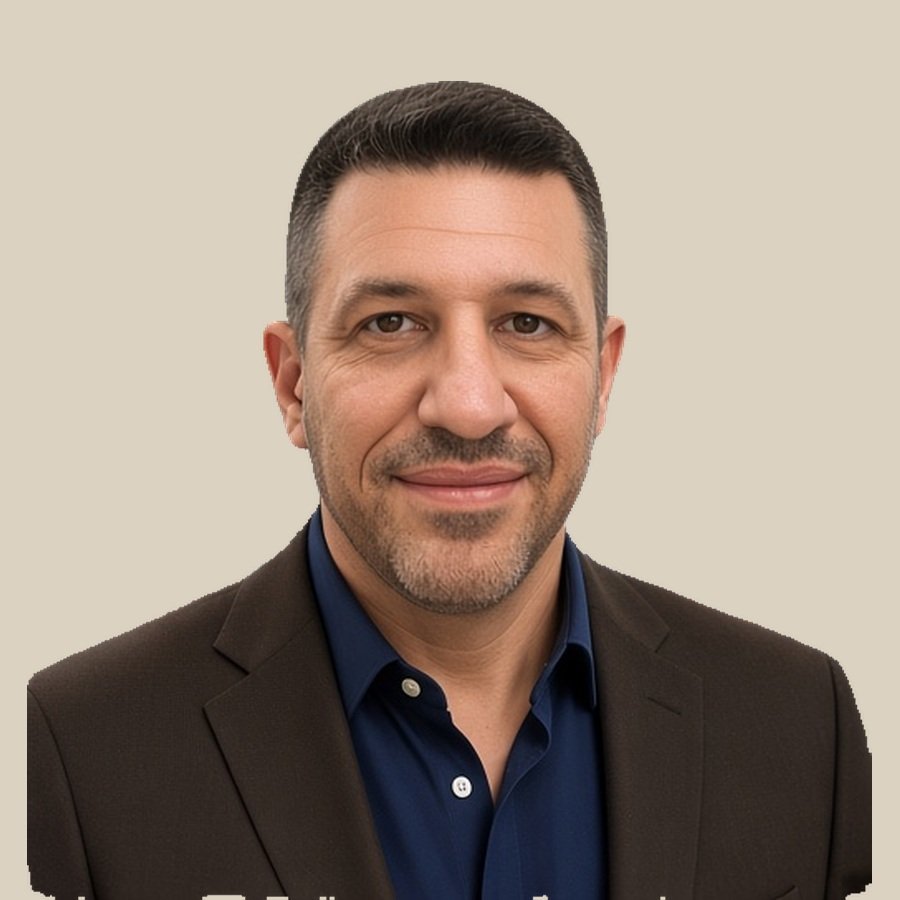
Written by Kenneth M. Adler
Broker & Owner, Ideal Financial, Inc. · 30 years in California lending · NMLS #240317 · CA DRE #01216608
Published October 8, 2026 · Last reviewed October 8, 2026
Every page on this site is written and maintained by me: the same person who answers the phone, runs your numbers, and handles your file start to finish. No call center, no hand-offs, no lead-selling. More about how I work →
The rest of the reverse mortgage library
Each page below covers one decision in full, rather than a paragraph of it. Start wherever your question is.
Want both sides run on your numbers?
Bring your Social Security estimates. I’ll bring the loan figures, and we’ll see whether the bridge pays for you, or doesn’t.
- Written figures for both choices
- Happy to include your advisor
- No obligation
Fifteen minutes. Real numbers. Then you decide.
Tell me the scenario and I’ll tell you honestly whether this is the right tool. If it isn’t, you’ll leave the call knowing why, and I’ll point you at whatever is.
(818) 674-7284Prefer email?
Send a couple of sentences about your situation and I’ll reply personally, usually the same business day.
Contact Ken Book a 30-minute call