Reverse Mortgage Broker Serving Riverside, California
Riverside County wrote more HECM for Purchase loans than any county in California in the past year. The city of Riverside itself is a refinance market: long-held homes, most of them comfortably inside the FHA limit.
The county seat of California’s busiest reverse mortgage county.
HUD logs every FHA-insured reverse mortgage it endorses. Here are Riverside County’s totals and the city of Riverside’s own line, from the twelve monthly releases between September 2025 and August 2026.
| HECMs insured by FHA, Riverside County | 431 |
| Of those, purchases (HECM for Purchase) | 45 |
| Reached the FHA ceiling | 3.0% |
| In Riverside itself | 47 |
| Riverside: reached the ceiling | 2.1% |
| California overall vs. the rest of the US | 20.2% vs 3.0% |
Countywide, 3.0% of insured loans reached the FHA ceiling, leaving 97 of every 100 where the HECM counted the appraisal whole. The program works well here, at county scale and at city scale alike.
The city recorded 47 loans with one at the ceiling (2.1%): a long-tenure refinance market, in a county that meanwhile leads California in reverse mortgage purchases.
Where these figures come from. Counted by me from the FHA HECM Single-Family Portfolio Snapshot, the loan-level file HUD publishes every month. The last twelve monthly releases, September 2025 through August 2026. HUD counts each loan in the month FHA insured it (its endorsement), usually within about two months of closing, so these are insurance months, not closing months. A loan is counted as reaching the ceiling when its maximum claim amount equals the limit that applied to its case number: $1,209,750 for 2025 case numbers and $1,249,125 for 2026. No endorsements at all were processed in October 2025 — in HUD’s words, “due to the lapse in appropriations covering the entire month” — so that release is empty and the figures cover eleven months of endorsements. These are FHA-insured HECM loans only; proprietary jumbo lending is not federally insured and appears in no public dataset. Every California county and city in one table →
Riverside by ZIP code
Riverside’s seven Zillow ZIP codes, each paired with its HECM count from the past year and its typical value against the 2026 FHA limit.
Riverside HECMs insured in the past year
All 7 Riverside ZIP codes have a typical value under the $1,249,125 limit, from about $554,000 to $758,000. The most loans were in 92504: 11 of the 47.
| ZIP code | HECMs insured | At the FHA ceiling | Typical home value | Under or over the limit |
|---|---|---|---|---|
| 92501 | 3 | 0 | $554,000 | Under |
| 92503 | 8 | 0 | $633,000 | Under |
| 92504 | 11 | 1 | $599,000 | Under |
| 92505 | 5 | 0 | $630,000 | Under |
| 92506 | 6 | 0 | $697,000 | Under |
| 92507 | 5 | 0 | $601,000 | Under |
| 92508 | 1 | 0 | $758,000 | Under |
All 47 HECMs HUD recorded with a Riverside address; 8 of them carried ZIP codes Zillow does not assign to Riverside, so they are not in the table. The limit is the 2026 HECM maximum claim amount of $1,249,125.
HUD’s list shows 5 FHA-approved condominium projects with a Riverside mailing address (searched October 16, 2026). A unit in a project that is not on the list can still qualify through FHA’s single-unit approval, which adds stricter income and payment-history tests for HECM borrowers (HUD Mortgagee Letter 2019-17). Search HUD’s condominium list →
Where these figures come from. Loans: the HUD HECM Snapshot records behind this page’s other figures, September 2025 through August 2026 (the months FHA insured each loan), by the ZIP code HUD records for each Riverside loan. Typical home values: Zillow Home Value Index for each ZIP code, all homes, data through September 30, 2026, rounded to the nearest $1,000. A typical value is the middle of the market, so plenty of homes in an “under” ZIP code are worth more, and the reverse. Condominiums: HUD’s FHA condominium list, status Approved.
The Riverside bottom line: 47 insured reverse mortgages in the past year, one at the FHA ceiling, across ZIP values of roughly $554,000 to $758,000. For homeowners 62 and older the HECM counts the whole house from the Wood Streets to Mission Grove, while the proprietary jumbo, to $4 million from age 55, waits on the rare property that outruns the limit. Both run with no required monthly principal-and-interest payment while you live in the home and keep taxes, insurance, and upkeep current.
2026 HECM limit: HUD Mortgagee Letter 2025-22. Counseling and California’s seven-day period: Cal. Civ. Code §1923.2. Loan counts: HUD FHA HECM Single-Family Portfolio Snapshot, September 2025 through August 2026.
The Riverside picture

The city of Riverside has more history per block than most of Southern California: the Mission Inn downtown, the Wood Streets’ early-twentieth-century bungalows and revivals, and the older neighborhoods around the university. Farther out, Canyon Crest, Mission Grove and Orangecrest are later subdivisions where many first owners never left. The common thread is a household that has held its house for decades and now needs the equity to do some work.
HUD’s records put this squarely in HECM territory. Riverside County as a whole saw only 3.0% of its reverse mortgages reach the FHA ceiling, and in the city itself it was one loan in 47. For almost every Riverside home the federally insured program counts the full value, which means the question is not HECM or jumbo but how to take the money: retire the mortgage, open a line of credit, or set up monthly payments.
Older houses bring appraisal questions of their own. A 1920s bungalow can carry original wiring, an aging roof or a foundation issue that the FHA appraiser will note. Most of that is manageable with a repair set-aside after closing, and none of it is a reason to stop before we have looked. The other thing to check early is the property tax bill: newer subdivisions can carry special assessments, and they are part of the obligation.
Riverside files, three ways they run
Riverside’s historic Wood Streets qualify on the same terms as any tract home: the FHA appraisal evaluates condition, not vintage. A craftsman with its original systems may draw repair requirements, and a set-aside can fund them from the loan after closing. The busiest city ZIP for these files in the past year was 92504, with 11 of Riverside’s 47 loans, so the older-home playbook here is well worn and it works.
Riverside County led California in HECM for Purchase lending in the past year, 45 of the state’s 166, and the city sits at the hub of it. The repeating purchase file: sell the larger house, in-county or out of LA and Orange, buy a single-story with roughly 55 to 70 percent down, no required monthly payment on the rest, and often a Proposition 19 tax-base transfer riding along for 55-plus sellers. The city itself remains mostly a refinance market, but the purchase option belongs in every downsizing conversation.
Across Canyon Crest, Mission Grove, and La Sierra, the standard file is twenty-plus years of ownership, a small or finished mortgage, and values in the $600,000s: deep inside the federal limit. The HECM line of credit retires whatever payment remains and leaves a growing reserve against the house. One Riverside loan in the past year needed more than the FHA math; the other forty-six did not.
How each program fits Riverside
Same broker, same phone number, three different instruments. I run the ones that apply to your home side by side, and the numbers pick the winner, not the sales pitch. The highlighted row is where a typical Riverside home lands; your own age and value may point elsewhere.
What every Riverside borrower must know
Who qualifies: 62 and older for the FHA HECM, 55 and older on many proprietary jumbo programs. The Riverside home must be your primary residence, with genuine equity and a financial assessment confirming the obligations below fit the budget. Every HECM begins with independent counseling from a HUD-approved agency you select yourself off the federal roster (national line: 800-569-4287); California’s cooling-off period then runs before anything binds.
What stays current or else: the Riverside County tax bill entire, homeowner’s insurance, association dues where a neighborhood carries them, and the upkeep an older or hillside home honestly needs. Meet those and no monthly mortgage payment exists while you live there; miss them and the loan can become due and payable. Set-asides that pay taxes and insurance from the loan are standard equipment on the files that want certainty.
What protects you: you hold title throughout, personally or in trust. The loan is non-recourse, capping any payoff at the home’s value at repayment, and the equity remaining when the home sells goes to you or your heirs without exception.
Riverside County accounted for 45 of California’s 166 HECM for Purchase loans in the past year, more than a quarter of the state’s total. Many of those buyers carried a low tax base with them under Proposition 19: owners 55 and older can transfer the base-year value of the home they sell to a replacement home anywhere in California, up to three times. The claim is filed with the Riverside County Assessor, and the deadline matters. I flag it in every purchase file.
Riverside questions, straight answers
We live in a historic Wood Streets house. Does its age matter?
Only as far as condition goes. There is no age limit on a HECM, but the FHA appraiser looks at roof, electrical, plumbing and foundation. Many older-home items can be repaired after closing through a set-aside. Historic designation itself does not affect eligibility.
Can we sell in Riverside and buy something smaller with a reverse mortgage?
Yes. A HECM for Purchase buys the next home in one closing, with roughly 55 to 70 percent down depending on age, plus closing costs, and no required monthly mortgage payment afterward. If you are 55 or older, Proposition 19 may let you carry your current tax base to the new home as well.
Is the jumbo program ever right in Riverside?
Occasionally: for owners aged 55 to 61, who are too young for the FHA program, or for a home well above the $1,249,125 limit. For most Riverside homes the HECM counts the full value and the jumbo buys you nothing but a different cost structure.
What must we keep paying after closing?
Property taxes including any special assessments, homeowner’s insurance, HOA dues if you have them, and normal upkeep. Meet those and no monthly mortgage payment is required while you live in the home; miss them and the loan can become due.
Could we sell our two-story near UCR and buy a single-story in Mission Grove with this program?
Yes; that is HECM for Purchase, and your county accounted for 45 of them in the past year, the most in California. Roughly 55 to 70 percent down depending on age, no required monthly payment on the new home, and for 55-plus sellers a Proposition 19 tax-base transfer often rides along. I price the whole sequence, sale to purchase, before you list.
Our Wood Streets house still has some original wiring. Will FHA walk away?
Not walk away; require. Health-and-safety items get flagged by the appraiser, and a repair set-aside can fund the corrections from the loan after closing. The file survives; it just needs sequencing. Describe the systems honestly on the first call and the appraisal holds no surprises.
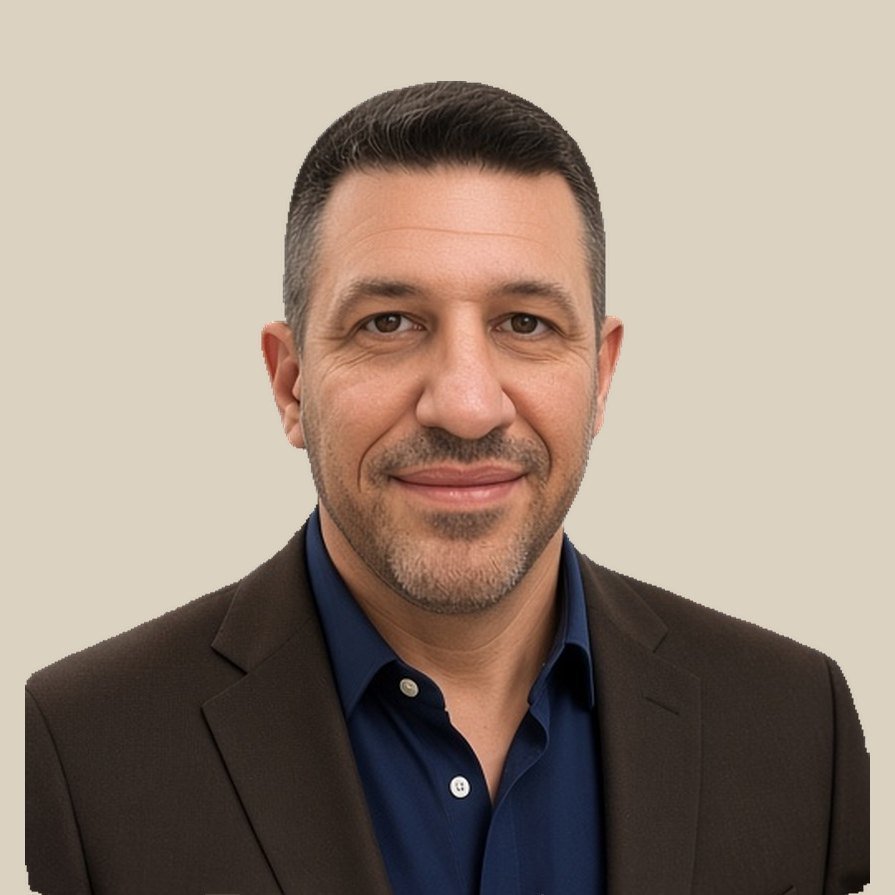
Written by Ken Adler
Every page on this site is written and maintained by me: the same person who answers the phone, runs your numbers, and handles your file start to finish. No call center, no hand-offs, no lead-selling. More about how I work →
Riverside’s next questions, each with its own page:
- What a reverse mortgage actually costs: the complete cost picture and the “no cost” arithmetic.
- HECM for Purchase: the program your county leads the state in: buying with 55 to 70 percent down and no required payment.
- HECM line of credit compared with a bank HELOC: payments, freezes, and durability over a long retirement.
- The reverse mortgage glossary: every disclosure term, defined in plain words.
- How reverse mortgage rates work: what sets the expected rate and moves the proceeds.
- Helping a parent decide: the adult-children guide to this exact decision.
For the rare Riverside property past the federal line, see jumbo reverse mortgages for California homes.
Want a rough number before you call?
The calculator takes an age and a home value and shows an estimate on screen, with every cost line. No name, phone or email needed. Moving or inheriting? See how Prop 19 treats your property tax base.
Let’s run your Riverside numbers.
Fifteen minutes and your Riverside plan is in numbers: stay-and-draw against sell-and-buy, on one page.
- A call back within minutes during California business hours
- Written figures first, decisions after
- A plain no whenever the numbers vote no
Rather talk it through now?
Tell me whether the plan is staying in the house or trading it for a single-story, and I will put both paths in dollars. In the state’s busiest reverse mortgage county, both conversations are Tuesday work for me.
(818) 674-7284Prefer to read first?
Request the free California reverse mortgage guide. It arrives instantly, with no sales calls attached.
Get the Free Guide