Reverse Mortgage Broker Serving Rancho Cucamonga, California
FHA insured 26 reverse mortgages in Rancho Cucamonga in the past year and not one hit the FHA limit. The HECM counts nearly every home here at full value.
Good news: the FHA program works well here.
Every FHA-insured reverse mortgage in the country is recorded by HUD, loan by loan. Here is what those records say about this market over the last twelve monthly releases (September 2025 through August 2026).
| HECMs insured by FHA, San Bernardino County | 252 |
| Of those, purchases (HECM for Purchase) | 10 |
| Reached the FHA ceiling | 2.4% |
| In Rancho Cucamonga itself | 26 |
| Rancho Cucamonga: reached the ceiling | 0.0% |
| California overall vs. the rest of the US | 20.2% vs 3.0% |
Only 2.4% of federally insured reverse mortgages in this county reached the FHA ceiling. For almost everyone in this market the HECM calculation reaches essentially the full value of the home, and a proprietary jumbo would buy you nothing but a different cost structure. If you have been told otherwise, ask why.
In Rancho Cucamonga specifically, 26 of those loans were on homes inside the city limits, and 0.0% of them reached the ceiling.
Where these figures come from. Counted by me from the FHA HECM Single-Family Portfolio Snapshot, the loan-level file HUD publishes every month. The last twelve monthly releases, September 2025 through August 2026. HUD counts each loan in the month FHA insured it (its endorsement), usually within about two months of closing, so these are insurance months, not closing months. A loan is counted as reaching the ceiling when its maximum claim amount equals the limit that applied to its case number: $1,209,750 for 2025 case numbers and $1,249,125 for 2026. No endorsements at all were processed in October 2025 — in HUD’s words, “due to the lapse in appropriations covering the entire month” — so that release is empty and the figures cover eleven months of endorsements. These are FHA-insured HECM loans only; proprietary jumbo lending is not federally insured and appears in no public dataset. Every California county and city in one table →
Rancho Cucamonga by ZIP code
Every ZIP code Zillow assigns to Rancho Cucamonga, with the reverse mortgages HUD recorded in each over the past year and Zillow’s typical home value against the HECM limit.
Rancho Cucamonga HECMs insured in the past year
All 4 Rancho Cucamonga ZIP codes have a typical value under the $1,249,125 limit, from about $670,000 to $956,000. The most loans were in 91701 and 91730, 9 each. None of the 26 reached the FHA ceiling.
| ZIP code | HECMs insured | At the FHA ceiling | Typical home value | Under or over the limit |
|---|---|---|---|---|
| 91701 | 9 | 0 | $831,000 | Under |
| 91730 | 9 | 0 | $670,000 | Under |
| 91737 | 5 | 0 | $941,000 | Under |
| 91739 | 3 | 0 | $956,000 | Under |
All 26 HECMs HUD recorded with a Rancho Cucamonga address. The limit is the 2026 HECM maximum claim amount of $1,249,125.
HUD’s list shows 20 FHA-approved condominium projects with a Rancho Cucamonga mailing address (searched October 16, 2026). A unit in a project that is not on the list can still qualify through FHA’s single-unit approval, which adds stricter income and payment-history tests for HECM borrowers (HUD Mortgagee Letter 2019-17). Search HUD’s condominium list →
Where these figures come from. Loans: the HUD HECM Snapshot records behind this page’s other figures, September 2025 through August 2026 (the months FHA insured each loan), by the ZIP code HUD records for each Rancho Cucamonga loan. Typical home values: Zillow Home Value Index for each ZIP code, all homes, data through September 30, 2026, rounded to the nearest $1,000. A typical value is the middle of the market, so plenty of homes in an “under” ZIP code are worth more, and the reverse. Condominiums: HUD’s FHA condominium list, status Approved.
The short answer for Rancho Cucamonga: for homeowners 62 and older, the FHA-insured HECM fits most Rancho Cucamonga homes. Of the 26 HECMs insured in Rancho Cucamonga in the past year, none reached the FHA ceiling, so the calculation reached essentially the full value of nearly every home. Homes above the limit, and owners aged 55 to 61, are served by proprietary jumbo programs on values to $4 million. Either way, no monthly principal-and-interest payment is required while you live in the home and keep property taxes, insurance, and maintenance current.
2026 HECM limit: HUD Mortgagee Letter 2025-22. Counseling and California’s seven-day period: Cal. Civ. Code §1923.2. Loan counts: HUD FHA HECM Single-Family Portfolio Snapshot, September 2025 through August 2026.
The Rancho Cucamonga picture
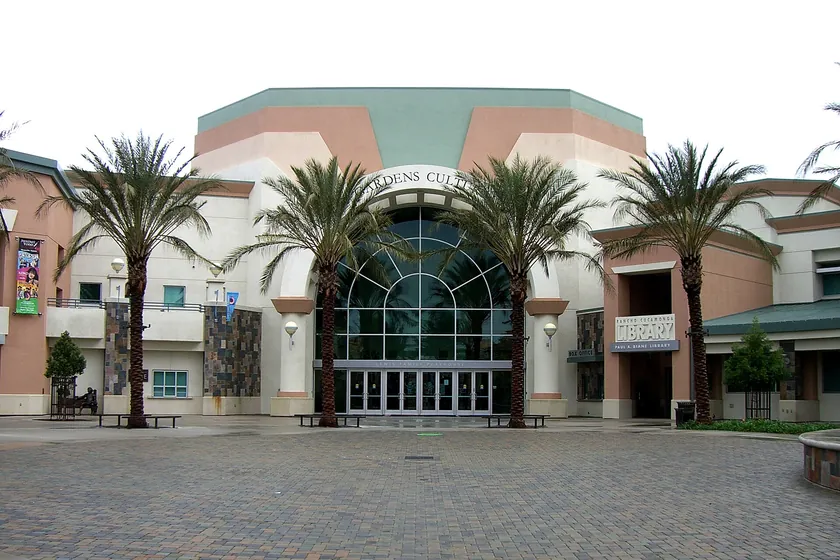
Rancho Cucamonga was incorporated in 1977 from the communities of Alta Loma, Etiwanda and Cucamonga, and grew into one of the Inland Empire’s most sought-after suburbs. Owners who bought in the 1980s and 1990s, in the foothill neighborhoods of Alta Loma or the newer tracts of Etiwanda, have watched values climb, but still well inside what the FHA program counts.
HUD’s records bear that out: none of Rancho Cucamonga’s 26 HECMs in the past year reached the ceiling, and across San Bernardino County only 2.4% did. The HECM is the program here, with its growing line of credit, tenure payment option and FHA-backed non-recourse protection.
Two items belong in the budget early. Along the foothills north of the 210, wildfire exposure has made homeowner’s insurance harder and costlier to keep, and on a reverse mortgage it must never lapse. And many Etiwanda and north-side tracts carry Mello-Roos special taxes on the property tax bill, which are part of the obligation. I read both with you before quoting a number.
How each program fits Rancho Cucamonga
Same broker, same phone number, three different instruments. I run the ones that apply to your home side by side, and the numbers pick the winner, not the sales pitch. The highlighted row is where a typical Rancho Cucamonga home lands; your own age and value may point elsewhere.
What every Rancho Cucamonga borrower must know
Who qualifies: homeowners 62+ for the FHA HECM (55+ for many jumbo programs), living in the home as their primary residence, with sufficient equity and a financial assessment showing capacity to meet the obligations below. Independent counseling with a HUD-approved agency is required before a HECM, and you choose the agency freely from the HUD roster (national line: 800-569-4287), and California adds its own consumer protections, including a cooling-off period.
What you must keep paying: property taxes (every line of the bill), homeowner’s insurance, reasonable home maintenance, and HOA dues where applicable. No monthly mortgage payment is required while you live in the home and meet these obligations, but failing to meet them can cause the loan to become due and payable. I structure set-asides when automating these payments is the safer plan.
What protects you: title stays in your name or your trust; the loan is non-recourse, so neither you nor your heirs can owe more than the home’s value; and heirs keep every dollar of remaining equity when the home is sold.
Mello-Roos and other special taxes on the San Bernardino County property tax bill are part of the property tax obligation on a reverse mortgage, and HUD’s financial assessment counts them. They usually expire after a set term, which can ease the budget later. Owners 55 and older moving within California may also carry their tax base under Proposition 19.
Rancho Cucamonga questions, straight answers
We live in the foothills and our insurer non-renewed us. What now?
Many foothill owners are now on the California FAIR Plan, often paired with a difference-in-conditions policy, and that can satisfy a lender. The essential thing is that coverage never lapses. We confirm it first.
Our Etiwanda home has Mello-Roos. Does that matter?
For the budget, yes; for eligibility, no. It is part of the property tax bill and must be paid like the rest. The financial assessment includes it.
Would a jumbo program give us more?
For most Rancho Cucamonga homes, no. The HECM already counts the full value. A jumbo mainly helps owners aged 55 to 61.
What must we keep paying after closing?
Property taxes including special assessments, homeowner’s insurance, HOA dues where they apply, and normal upkeep.
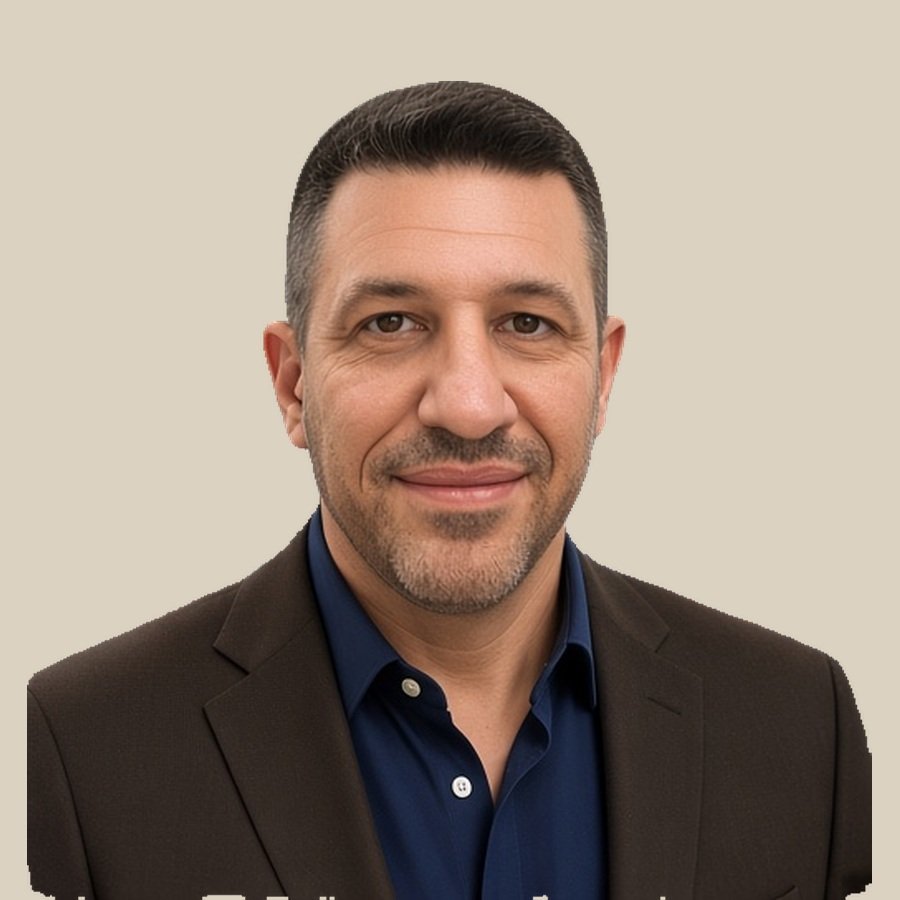
Written by Kenneth M. Adler
Every page on this site is written and maintained by me: the same person who answers the phone, runs your numbers, and handles your file start to finish. No call center, no hand-offs, no lead-selling. More about how I work →
These questions come up on nearly every Rancho Cucamonga file, and each one has a page of its own rather than a paragraph buried somewhere:
- What a reverse mortgage actually costs — the six cost categories, which of them get financed rather than paid at the table, and why “no cost” advertising is misleading.
- HECM line of credit compared with a bank HELOC — required payments, whether the lender can freeze the line, and the cases where the HELOC is genuinely the better tool for a Rancho Cucamonga homeowner.
- The reverse mortgage glossary — forty-eight terms defined plainly, for anyone reading a disclosure and wondering what a principal limit factor or a LESA actually is.
- Who qualifies for a reverse mortgage — the six requirements on one page, and the jumbo route from age 55.
- How reverse mortgage rates work — index, margin and the expected rate, and how to compare two quotes.
- Helping a parent decide — what adult children should know about the house, the inheritance and the questions to ask.
If your Rancho Cucamonga home is worth more than the FHA calculation will count, start instead with jumbo reverse mortgages for California homes.
Want a rough number before you call?
The calculator takes an age and a home value and shows an estimate on screen, with every cost line. No name, phone or email needed. Moving or inheriting? See how Prop 19 treats your property tax base.
Let’s run your Rancho Cucamonga numbers.
Fifteen minutes on the phone and you’ll know what your home and your age actually produce, HECM and jumbo side by side.
- A call back within minutes during California business hours
- Your figures in writing before you commit to anything
- If it is the wrong tool for you, I will say so
Rather talk it through now?
Tell me the scenario and I’ll tell you honestly whether this is the right tool. If it isn’t, you’ll leave the call knowing why, and I’ll point you at whatever is.
(818) 674-7284Prefer to read first?
Request the free California reverse mortgage guide. It arrives instantly, with no sales calls attached.
Get the Free Guide